‘Deepfakes,’ disinformation should fall under online hate law: Panel
Article content material
OTTAWA — Disinformation, together with “deepfake” movies and bots spreading deception, ought to come throughout the scope of a future on-line harms invoice, say a panel of specialists appointed by Heritage Minister Pablo Rodriguez to assist him form a future legislation.
Commercial 2
Article content material
Members of the skilled panel, together with Bernie Farber of the Canada Anti-Hate Community and Lianna McDonald of the Canadian Centre for Baby Safety, have suggested that the act impose an obligation on tech giants to deal with the unfold of pretend information and movies.
Some advised Canada ought to mirror the European Union’s Digital Companies Act which permits for stronger motion to deal with disinformation in instances of disaster — for instance throughout elections, worldwide conflicts and public-health emergencies.
They mentioned the EU measure associated to makes an attempt by Russia to unfold false claims to justify the invasion of Ukraine.
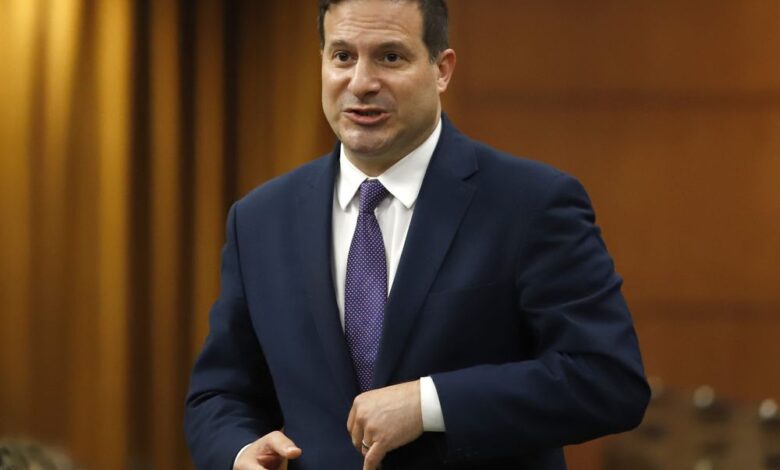
Public Security Minister Marco Mendicino mentioned in an interview that expertise was now so refined that some pretend photographs and content material have been “nearly indistinguishable” from real content material, making it very troublesome for folks to inform the distinction.
Commercial 3
Article content material
He mentioned a “whole-government strategy” spanning a number of departments was wanted to deal with the unfold of disinformation in Canada.
“We’re at an important juncture in our public discourse. We’re seeing an rising quantity of misinformation and disinformation knowledgeable by extremist ideology,” he mentioned.
An evaluation by lecturers of over six million tweets and retweets — and their origins — discovered that Canada is being focused by Russia to affect public opinion right here.
The research by the College of Calgary’s Faculty of Public Coverage this month discovered that massive numbers of tweets and retweets concerning the conflict in Ukraine will be traced again to Russia and China, with much more tweets expressing pro-Russian sentiment traced to the USA.
Commercial 4
Article content material
Ministers have introduced their intention to herald a web-based harms invoice which might deal with on-line abuse — together with racist slurs, antisemitism and offensive statements geared toward members of the LGBTQ group.
It follows the publication of a earlier on-line hate invoice simply earlier than the federal election final 12 months. The invoice didn’t grow to be legislation.
The skilled panel, which additionally consists of legislation and coverage professors from throughout the nation, mentioned not solely ought to a invoice deal with on-line abuse, together with baby abuse, it ought to take into account pretend and deceptive data on-line. This might embody co-ordinated disinformation campaigns “leveraged to create, unfold, and amplify disinformation” together with the usage of bots, bot networks, inauthentic accounts, and “deepfakes.”
Commercial 5
Article content material
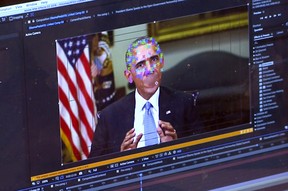
“Deepfakes” are pretend movies or pictures that use deep studying expertise, which creates extremely realistic-looking counterfeit photographs.
Some specialists on the panel mentioned the invoice must also tackle false promoting, deceptive political communications and content material that contributes to “unrealistic physique picture.”
The panel mentioned platforms would have a “obligation to behave” to deal with “dangerous content material on-line, which incorporates disinformation, by conducting danger assessments of content material that may trigger vital bodily or psychological hurt to people.”
Some specialists on the panel warned that measures to deal with disinformation have to be fastidiously worded so it can’t be abused by governments to justify censorship of journalism or criticism.
Commercial 6
Article content material
Their warning was echoed by Emmett Macfarlane, a constitutional skilled on the College of Waterloo.
“There are at all times legitimate issues concerning the potential for overreach and unintended penalties flowing from these types of legal guidelines. Our current felony hate speech and obscenity legal guidelines have resulted in materials being unjustly restricted or blocked on the border, for instance,” he mentioned.
The 12-person panel of specialists, which has simply completed its work, mentioned disinformation and faux posts may pose increased dangers to kids.
They’ve beneficial that the invoice impose strict necessities on social media firms and different platforms to take away content material that includes or selling baby abuse and exploitation.
A number of of members criticized platforms for failing to take such content material down instantly, saying, “the present efficiency of on-line providers in eradicating baby sexual abuse materials is unacceptably poor.”
Commercial 7
Article content material
The panel was essential of platforms usually for saying what share of dangerous content material they take down, however not how lengthy it took to take away it.
Rodriguez thanked the panel for finishing their discussions final week, saying “their recommendation is crucial in crafting a legislative and regulatory framework to deal with this complicated challenge and assist create a protected house on-line that protects all Canadians.”
“Freedom of expression is on the core of the whole lot we do, and Canadians ought to have the ability to categorical themselves freely and brazenly with out concern of hurt on-line and our authorities is dedicated to taking the time to get this proper,” he mentioned.
The minister additionally thanked the Residents Meeting, a bunch of 45 Canadians wanting on the affect of digital expertise on democracy, for its recommendation. At a convention final week, the meeting additionally harassed the significance of addressing the unfold of disinformation on-line, saying it could possibly manipulate public opinion.